
Acesso vertical, explicado com clareza.
Artigos técnicos sobre elevadores de obra, elevadores industriais, sistemas para mineração e planejamento seguro do acesso vertical, destinados a construtoras, engenheiros, equipes de projeto e compradores.
Conhecimento de engenharia para projetos reais.
Guias, evidências técnicas e critérios de seleção, apresentados do mais recente ao mais antigo.

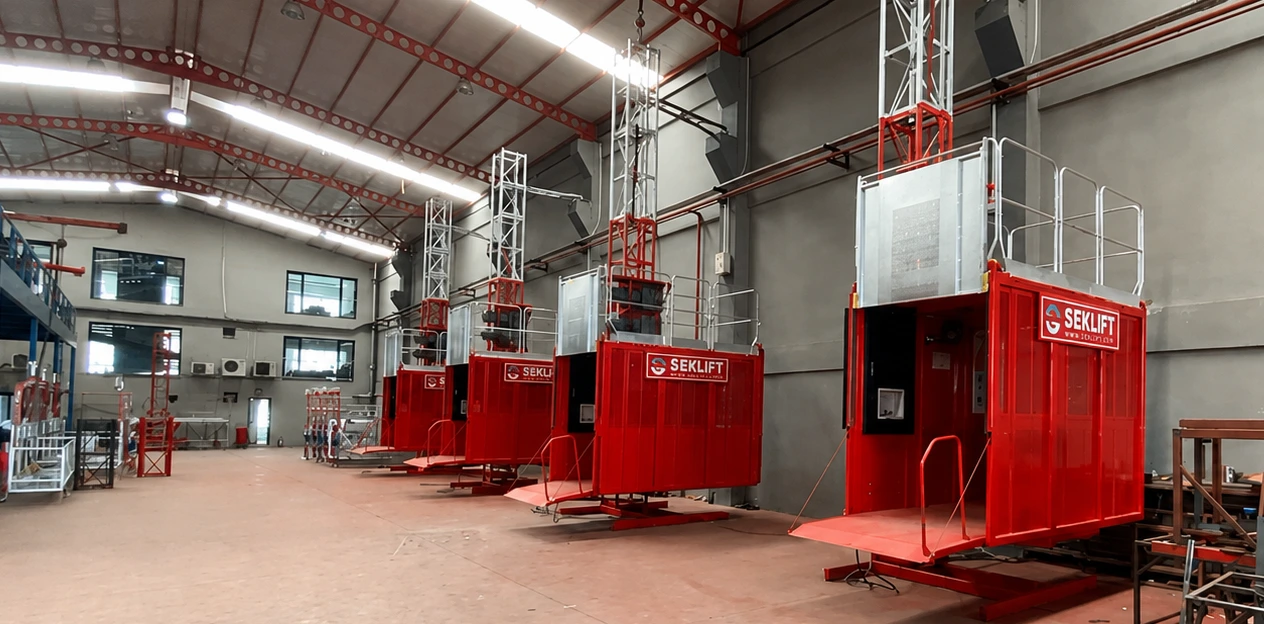
Mais elevadores de obra realmente aceleram um projeto de edifício alto?
Engenharia de Elevadores de Obra: Mais elevadores realmente aceleram um edifício alto? A resposta é que podem reduzir filas e gargalos de transporte, mas a quantidade, por si só, não garante maior produtividade.
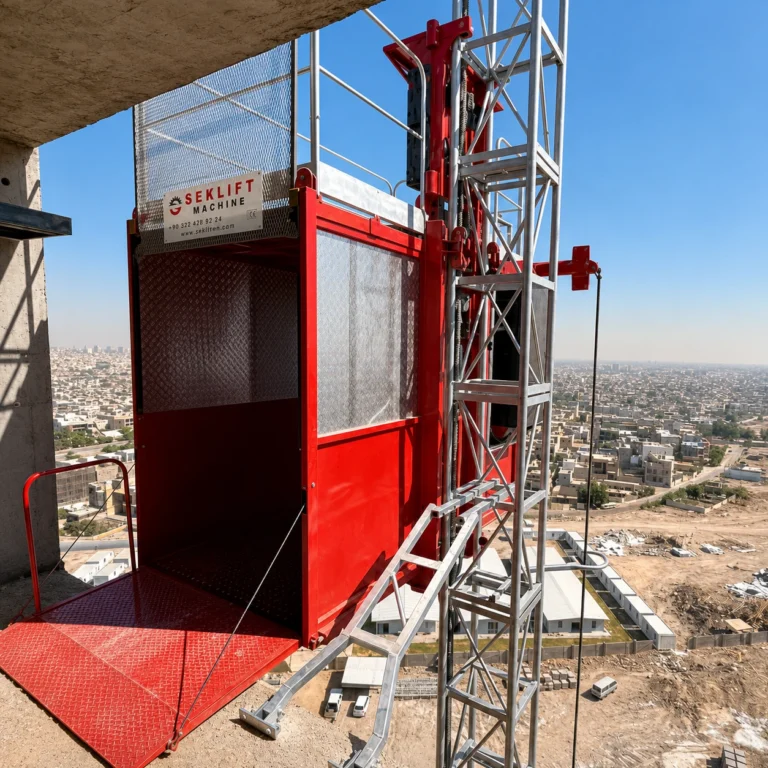
Nota de Evidências Técnicas SM-GTP-101: Elevador de Obra de Cremalheira de Alta Capacidade
Nota técnica baseada em documentos: especificações verificadas do SM-GTP-101, dispositivos de segurança, evidências de conformidade com a EN 12159 e limites de seleção entre cabine simples e dupla.
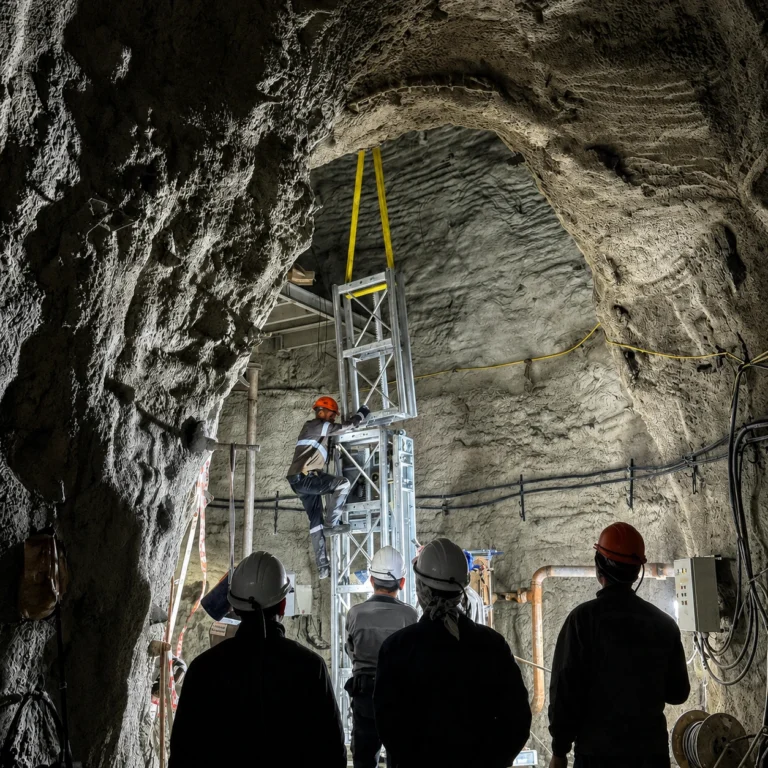
Por que cabos de aço de elevadores de mineração falham: fadiga, desgaste, corrosão e redistribuição de carga
Cabos de aço de elevadores de mineração raramente falham por um único mecanismo. Esta análise técnica examina a interação entre fadiga, desgaste, corrosão, fretting, torção e redistribuição de carga após a ruptura de arames, além do papel da inspeção, dos ensaios não destrutivos, das normas e da regulamentação aplicável.
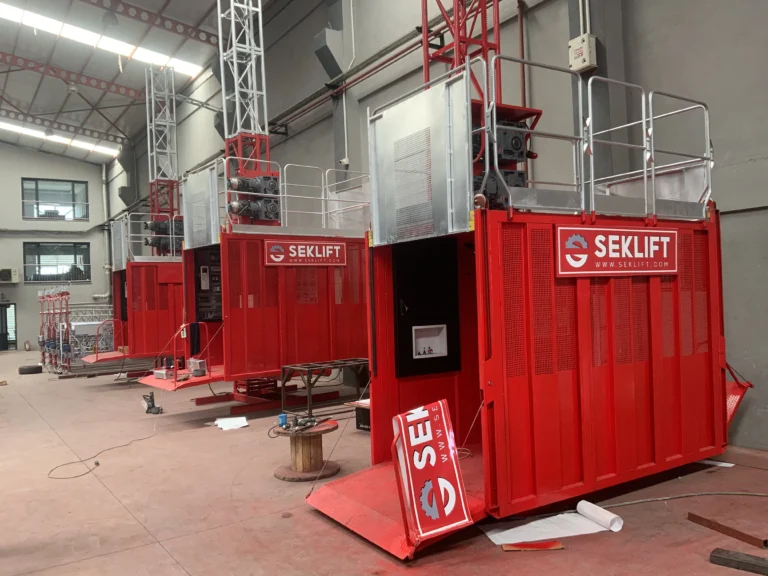
Onde embarcar e desembarcar de um elevador de obra?
O embarque em um elevador de obra parece simples, mas a interface entre a cabine móvel e a edificação é crítica para a segurança. O arranjo depende do equipamento e do local: as instruções do fabricante, o projeto dos acessos nos pavimentos e as regras aplicáveis devem prevalecer.
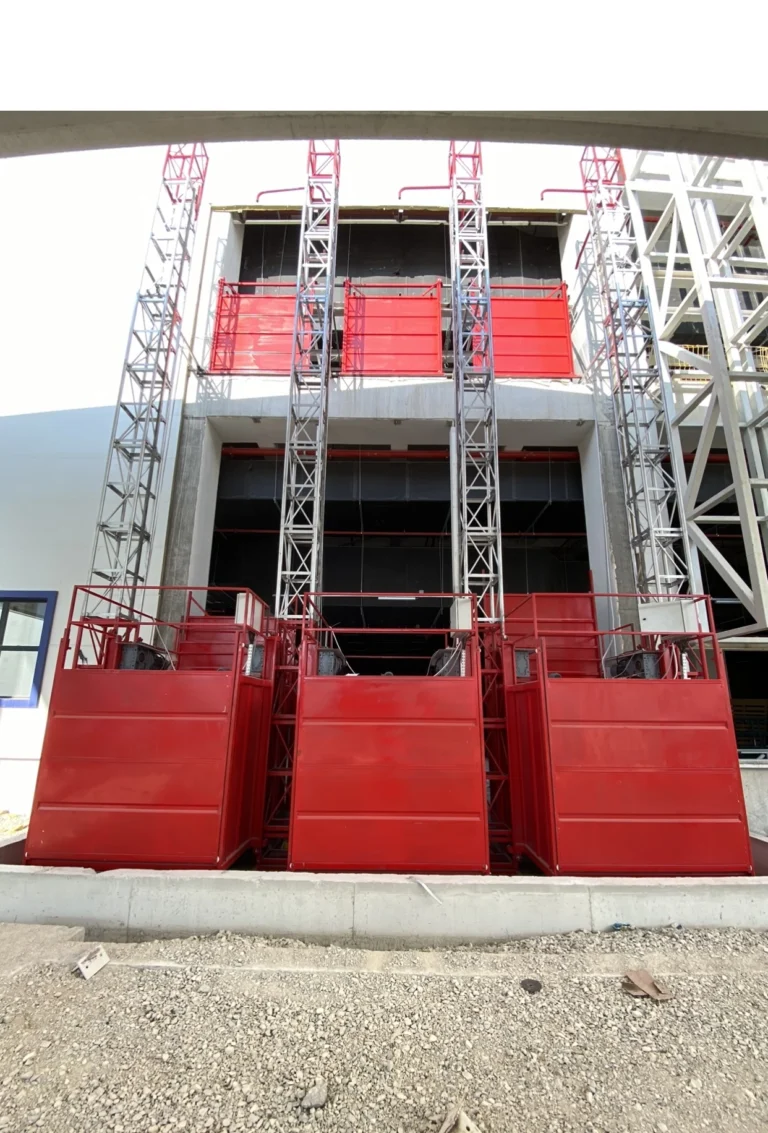
Guia de Elevadores de Carga: Tipos, Aplicações e Seleção
Um elevador de carga é um sistema de transporte vertical destinado principalmente a movimentar mercadorias, equipamentos ou materiais entre níveis. O transporte de pessoas depende da classificação exata do equipamento, de sua capacidade nominal e das regras aplicáveis no local de instalação.
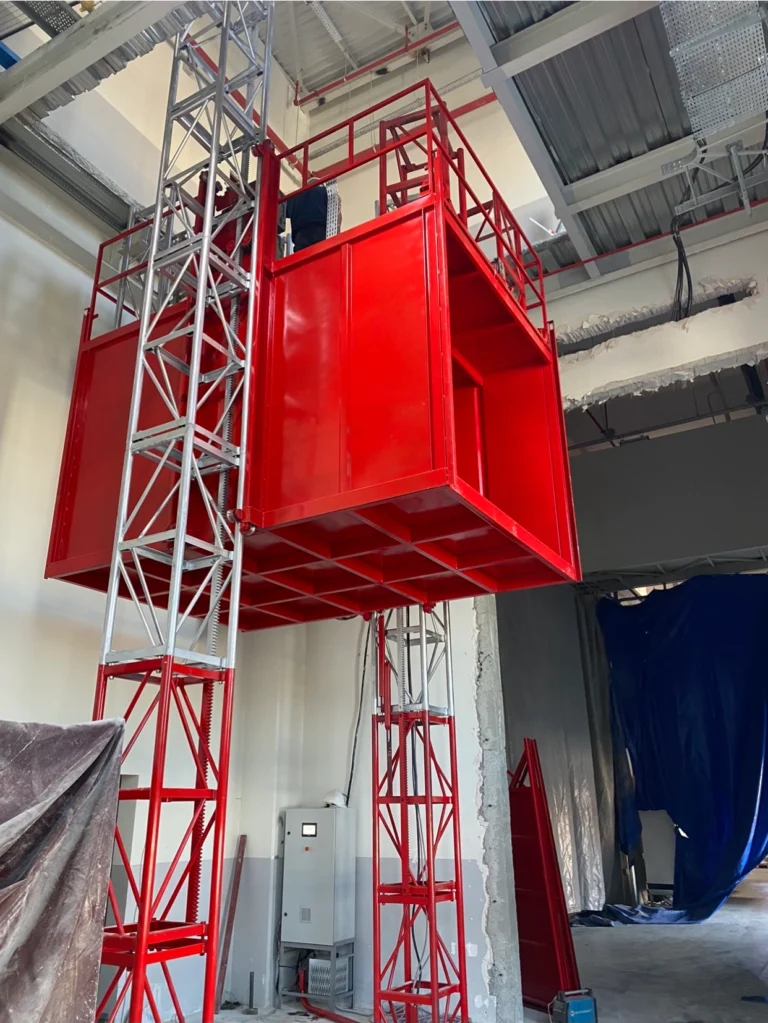
Tipos de Elevadores de Obra: Guia de Seleção para Compradores
O termo inglês construction hoist pode designar diferentes sistemas de elevação. Uma talha de corrente, um equipamento temporário para materiais e um elevador externo de obra para pessoas e materiais atendem a necessidades distintas e não devem ser confundidos.
