
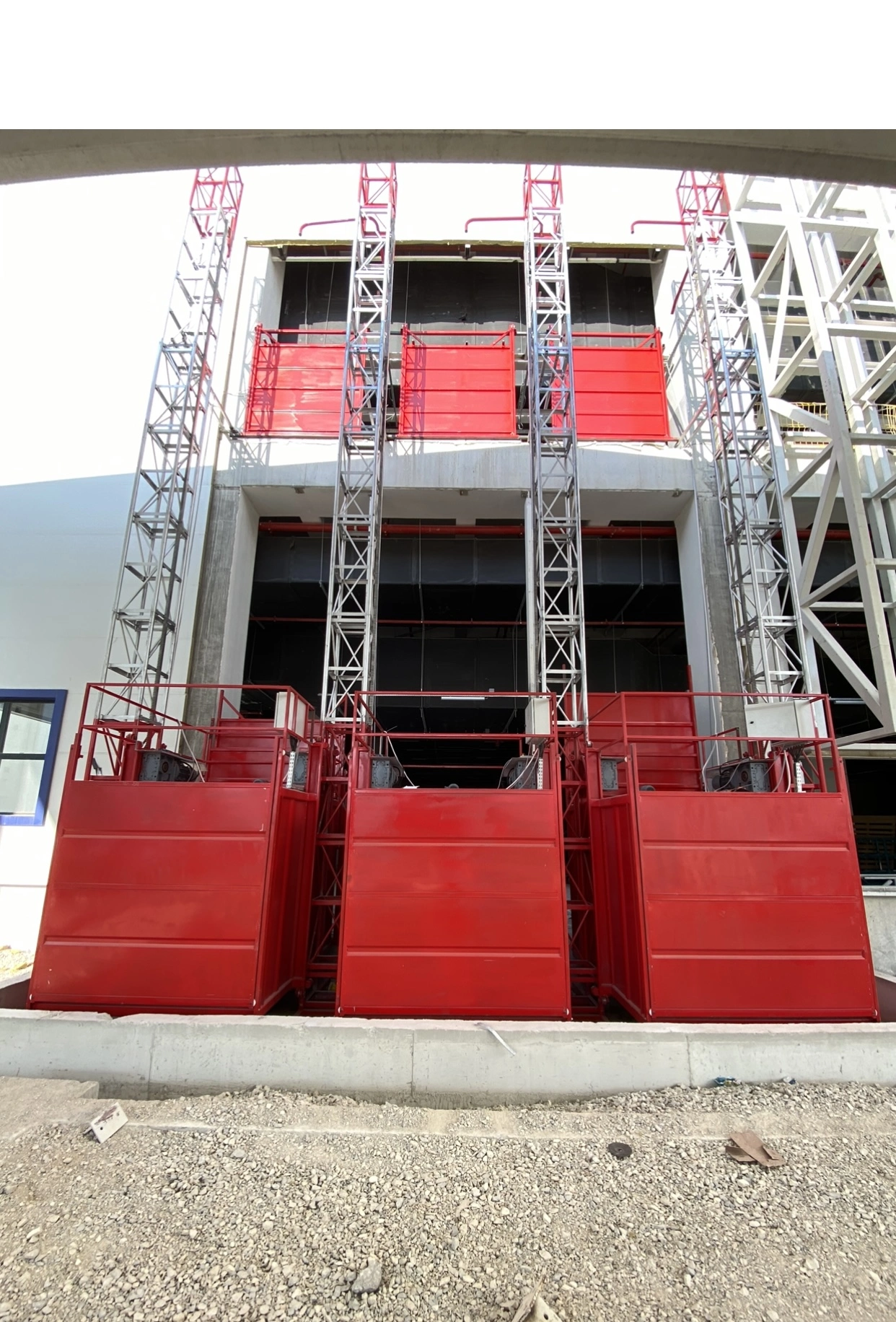
 Industrial Elevator Guide
Freight lift and industrial elevator systems used to move heavy materials and equipment between levels.
Industrial Elevator Guide
Freight lift and industrial elevator systems used to move heavy materials and equipment between levels.Freight lifts are used in warehouses, factories, production plants, logistics facilities, commercial buildings and other sites where stairs or manual handling are impractical for heavy or bulky loads.
The important point is that “freight lift” is not a single universal machine type. Hydraulic elevators, traction elevators, goods-only lifts and special industrial elevators can all serve freight-handling roles, but their construction, permitted users and regulatory treatment can differ.
What is a freight lift?
A freight lift is equipment designed to move cargo vertically between floors or working levels. Compared with a passenger elevator, its design usually prioritizes rated load, usable cabin dimensions, loading conditions, durability and operational reliability.
Terms vary by market. “Freight elevator,” “goods lift,” “cargo lift” and “industrial elevator” may overlap in everyday use, but they should not be treated as legally identical without checking the applicable code and the machine documentation.
From freight-elevator terminology to a supplier brief
A product name alone does not establish permitted users or the loading arrangement. For a permanent industrial goods lift, record whether people must travel, the goods and handling method, the clear door opening, travel and served levels. Ask the supplier to identify the offered equipment classification and configuration before comparing headline capacities.
Review SEKLIFT’s industrial freight-elevator configurations for the commercial selection path. Then use the industrial-elevator documentation checklist to request configuration-specific drawings, loading limits, conformity evidence and installation interfaces. A general guide or company certificate is not approval of a particular installation.
Can people ride in a freight lift?
There is no safe universal “yes” or “no.” The correct answer is: only use the lift for people when that specific lift is designed, rated and permitted for that use.
A goods-only lift should never be used as an improvised passenger elevator. Other freight-elevator classifications may permit an operator or people necessary for loading and unloading under particular rules. Because these distinctions vary between codes and jurisdictions, the car data plate, manufacturer instructions and local authority requirements must control the decision.
For website copy, avoid: “people can never ride in freight elevators” and “people can ride for emergencies.” Both are too broad. The equipment’s certified use is what matters.How does a freight lift work?
Hydraulic freight lifts
Hydraulic elevators use a hydraulic system to raise and lower the car. They are commonly associated with lower-rise, heavy-duty applications where speed is not the primary design objective. The final arrangement can vary considerably by travel, load and building constraints.
Traction freight elevators
Traction systems use a motor, traction sheave and suspension system to move the elevator car. They can serve greater travel heights and different speed ranges depending on the design.
Special industrial vertical-access systems
Industrial plants, towers, silos, mines and similar facilities may use purpose-engineered vertical-access equipment rather than a conventional building elevator arrangement. In these environments, project conditions—dust, corrosion, temperature, shaft availability and maintenance access—can drive the engineering decision.
How much weight can a freight lift carry?
There is no universal freight-lift capacity range. Rated load is determined by the individual design and must be taken from the manufacturer’s data and the installed lift’s capacity plate.
That is more accurate than publishing a generic “500–5,000 kg” range as though it applies to all freight lifts. Industrial freight systems can fall below, within or above that range depending on the project.
Is a freight lift mandatory?
Not everywhere. Whether a building must include a freight lift depends on factors such as local building regulations, fire and accessibility provisions, building use, logistics requirements and the authority having jurisdiction.
Even when it is not legally mandatory, a dedicated freight lift may still be operationally necessary for safe material flow, production, pallet movement, service access or maintenance.
Where are freight lifts used?
- Manufacturing and industrial plants
- Warehouses and logistics centers
- Distribution and storage facilities
- Hotels and commercial buildings
- Hospitals and service areas
- Retail back-of-house logistics
- Power, cement, silo and infrastructure facilities
What should you consider when selecting one?
- Rated load and loading pattern — including concentrated loads and wheeled equipment.
- Cabin/platform dimensions — pallet, trolley, machine-part or vehicle envelope.
- Travel and number of stops — total height and required landings.
- Door arrangement — single-entry, through-car or other material-flow requirements.
- Duty cycle — how frequently the lift will operate.
- Environment — dust, moisture, corrosive atmosphere, indoor/outdoor exposure and temperature.
- Permitted users — goods only, attendant operation, or equipment certified for people where applicable.
- Inspection and service access — maintenance planning should be part of the specification.
Freight-lift safety basics
Freight-lift safety depends on the applicable elevator or machinery rules and the equipment design. Typical concerns include controlled landing access, door or gate interlocking, rated-load information, stopping devices, appropriate guarding, correct loading and scheduled inspection and maintenance.
Never use a generic blog article as an operating instruction. The installed machine’s manual and local requirements take priority.
Frequently asked questions
What is the difference between a freight lift and a passenger elevator?
A freight lift is primarily engineered around cargo movement, loading conditions and durability. A passenger elevator is designed and certified for passenger transportation. Some elevator types can combine functions, but their permitted use must be verified from the equipment rating and applicable code.
Can a forklift enter a freight elevator?
Only if the elevator is specifically designed for the resulting loading condition and the total load remains within the permitted rating. Concentrated wheel loads can matter as much as total weight.
How do I know the correct freight-lift capacity?
Use the rated capacity specified by the manufacturer and shown on the installed equipment. Do not calculate permission to overload from a generic online capacity range.
Is a hydraulic lift always better for heavy loads?
No. Hydraulic and traction systems each have strengths and constraints. Travel height, speed, duty cycle, load, building layout and maintenance requirements all influence the correct solution.
Does a freight lift require regular inspection?
Yes, but the inspection interval and responsible party depend on the applicable regulations and local authority. Follow the manufacturer’s maintenance program and local statutory inspection requirements.
Explore SEKLIFT industrial-elevator and freight-lift solutions for permanent personnel and goods access. For a project-specific review, provide rated load, goods type, cabin dimensions, travel, stops, duty cycle, installation environment and project country.
Explore industrial elevator and freight lift solutions →Send your industrial-elevator project requirements →
Technical references
This article provides general guidance. Elevator classifications and permitted use vary by jurisdiction.
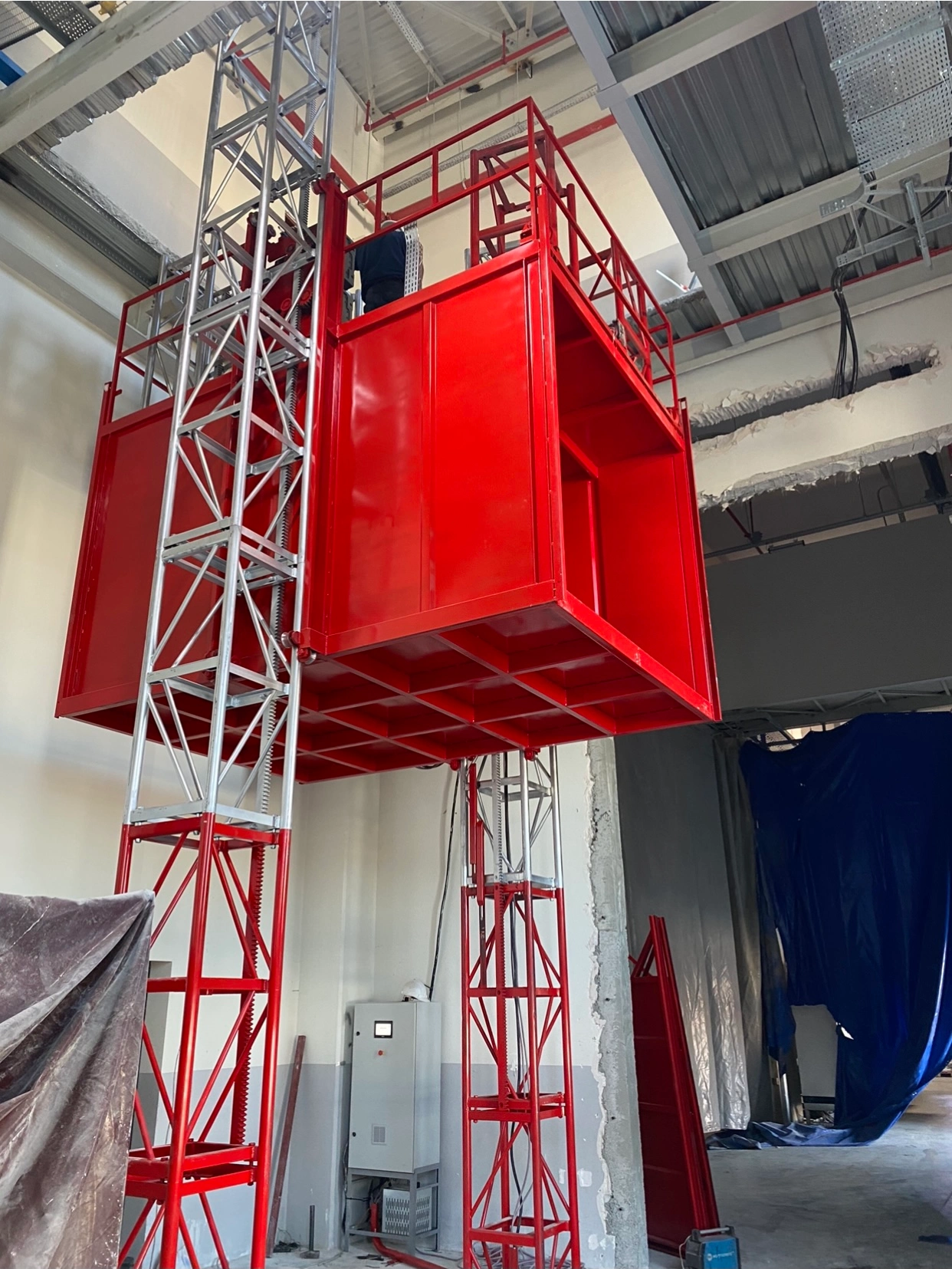 Construction Hoists
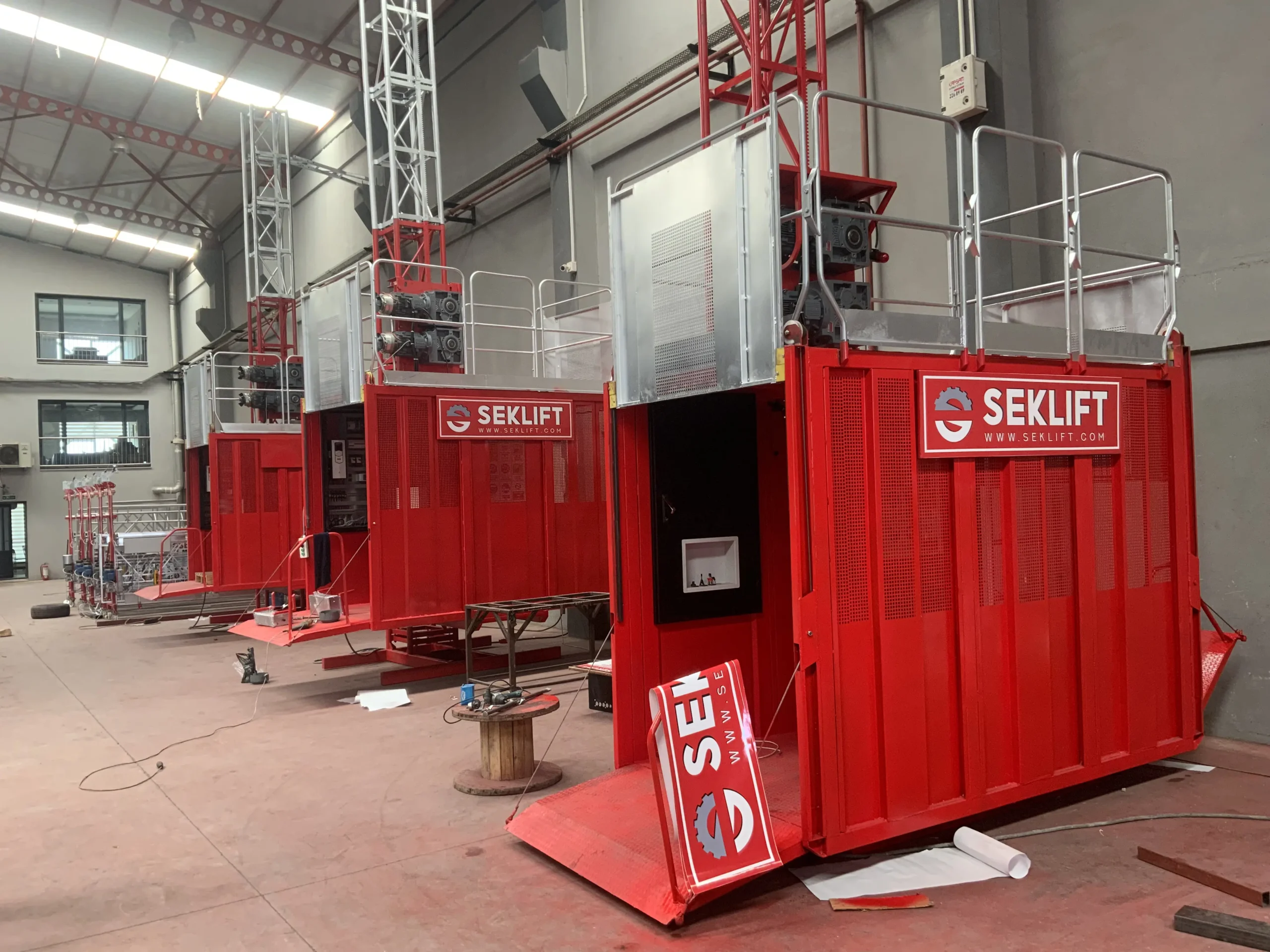 Hoist Safety