
Vertical access, explained clearly.
Practical engineering articles on construction hoists, industrial elevators, mining systems and safe vertical-access planning—written for contractors, engineers, project teams and equipment buyers.
Engineering knowledge for real projects.
Published guidance, technical evidence and selection considerations—automatically ordered newest first.
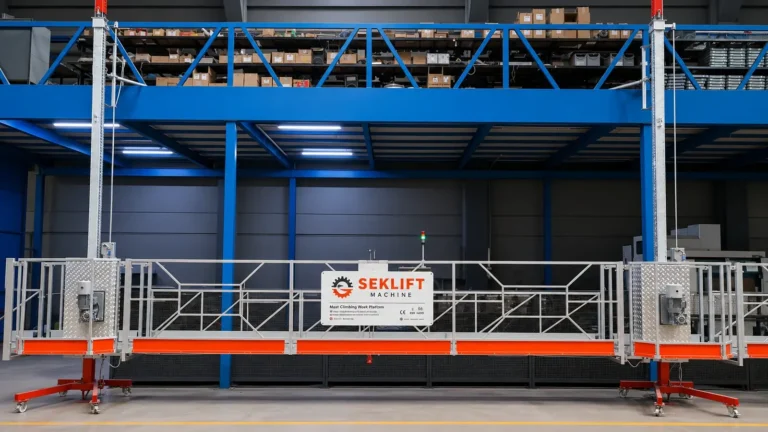
Mast Climbing Work Platform vs. Suspended Platform vs. Scaffolding: How to Choose Façade Access
Mast climbing work platform vs suspended platform vs scaffolding: compare load, height, speed, set-up, standards (EN 1495, EN 1808, EN 12811) and the best use cases.

Construction Hoist Power Requirements: Sizing the Site Supply, Cable and Generator
Construction hoist power requirements explained: 3-phase supply, running and starting current, cable voltage drop, breaker choice and generator sizing, with worked figures.
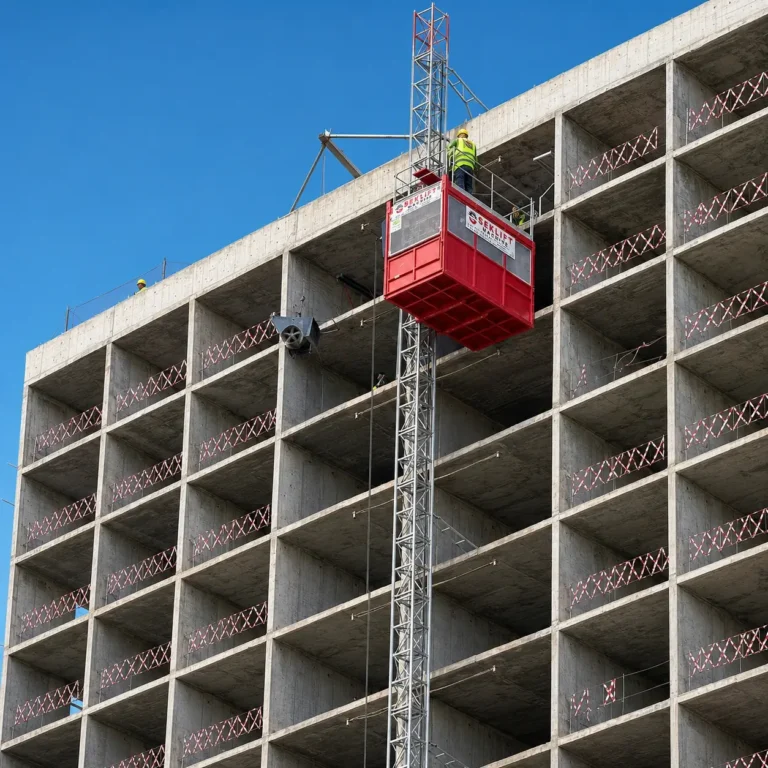
Construction Hoist Wind Speed Limits: In-Service vs. Erection, and Why Height Changes Everything
Construction hoist wind speed limits explained: in-service vs erection limits, unit and Beaufort conversions, and how wind increases with height on tall sites.
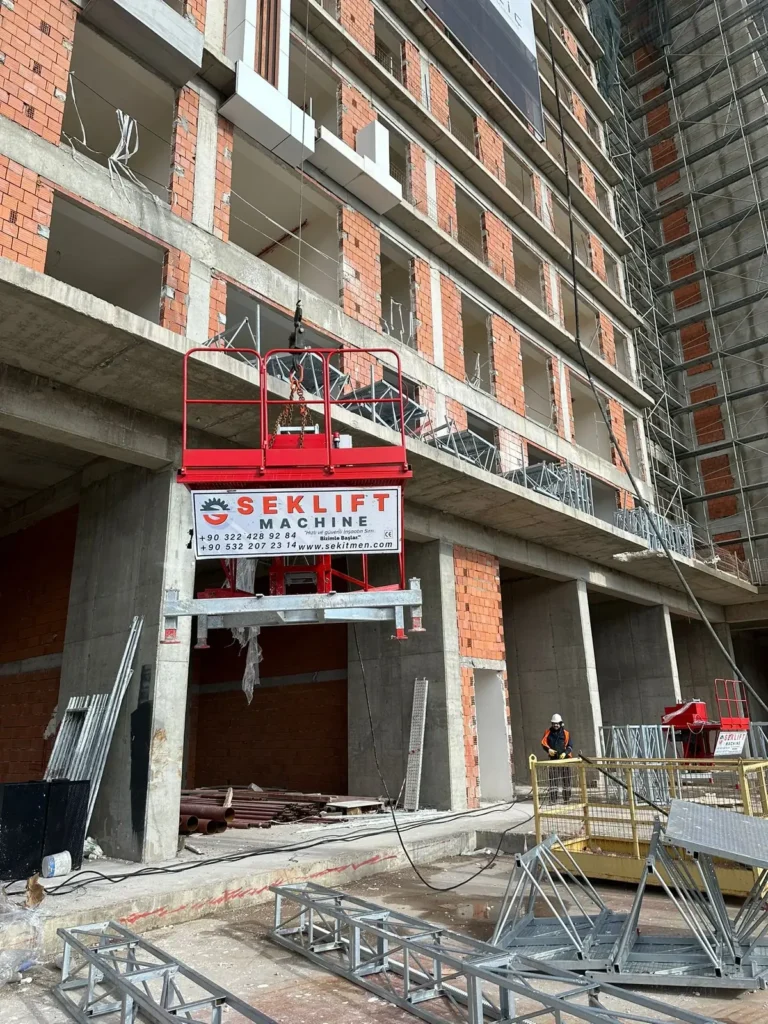
Construction Hoist Mast Sections and Wall Ties: How to Calculate What Your Project Needs
Calculate construction hoist mast sections, wall-tie sets and mast weight for any building height, with a worked table from 20 m to 150 m and site planning tips.
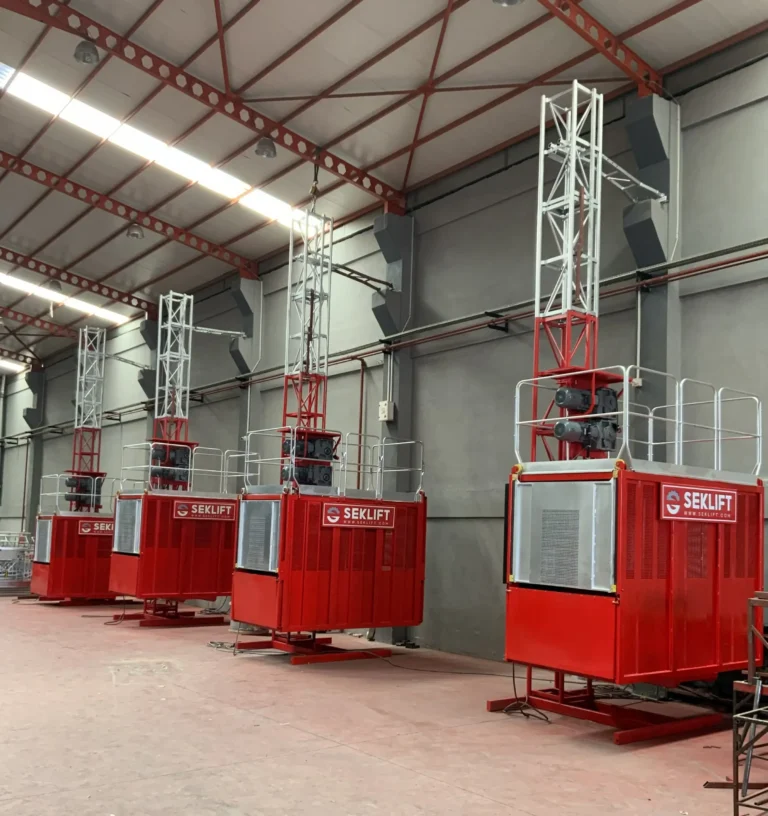
EN 12159 Explained: The European Standard for Builders’ Hoists (and What Changes in 2027)
What EN 12159 covers, how it links to the Machinery Directive and the 2027 Machinery Regulation, which standards sit beside it, and which documents to demand.
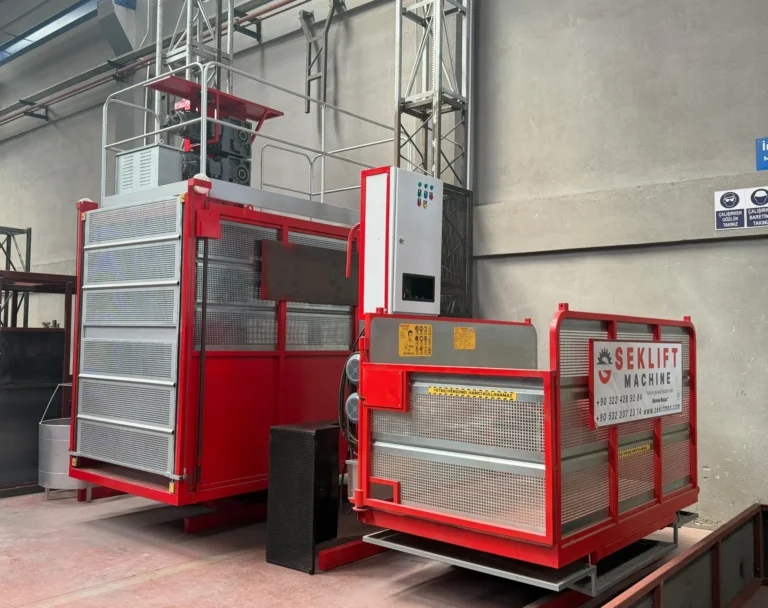
Construction Hoist Safety Devices: The 9 Systems Every Builders’ Hoist Needs
The 9 construction hoist safety devices explained: overspeed safety gear, overload, door interlocks, limits, mechanical locks, buffers, emergency lowering and more.
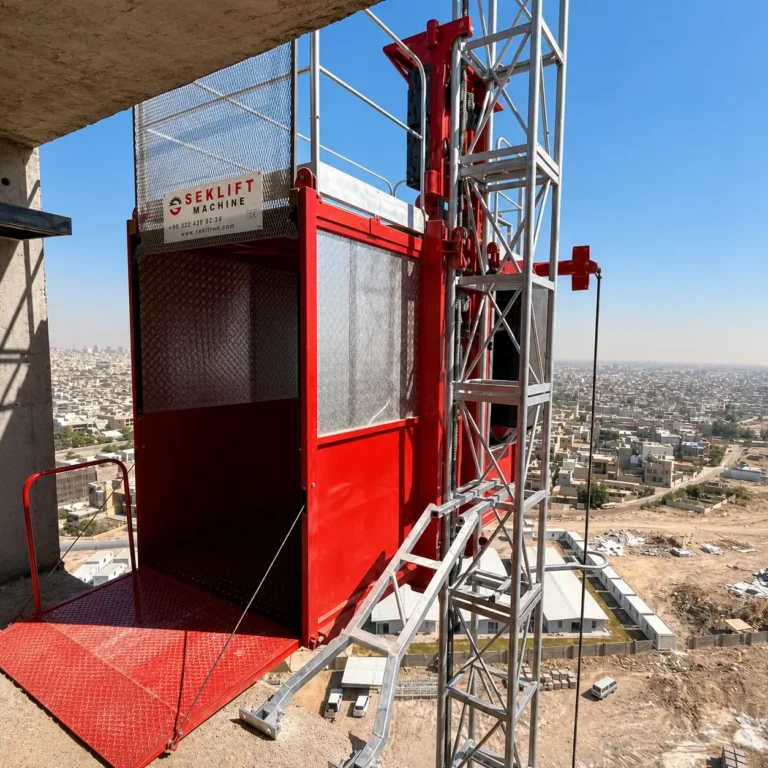
How a Rack-and-Pinion Construction Hoist Works: Component by Component
How a rack and pinion construction hoist works: mast, gear rack, twin-motor drive, brakes, safety gear, landing cams and controls, with real SM-GTP-101 data.
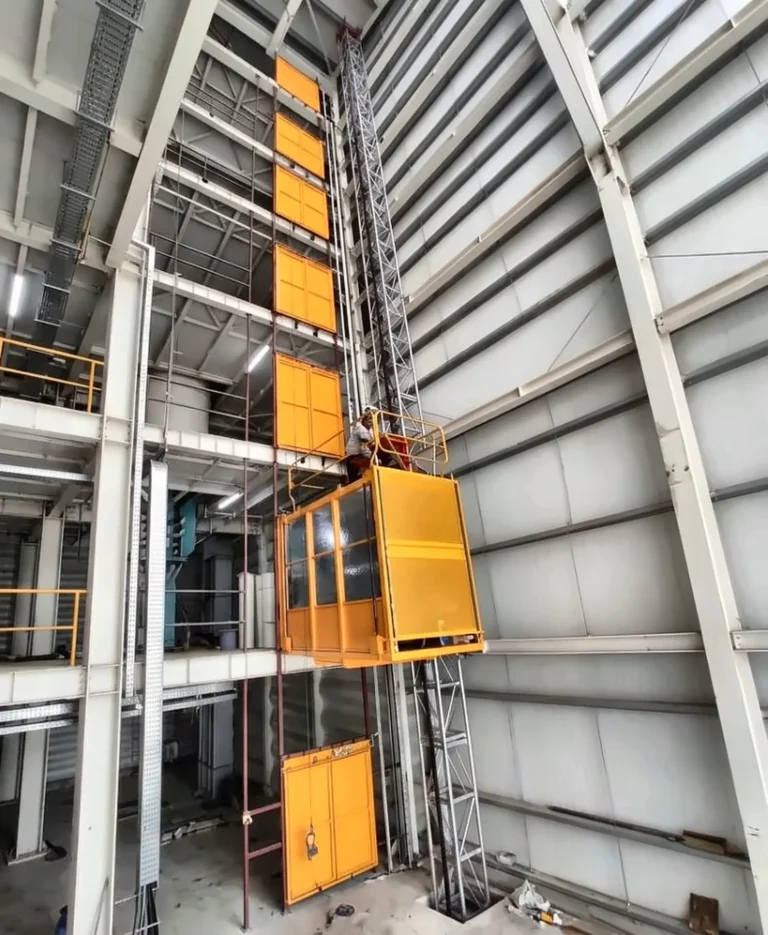
Rack-and-Pinion Hoists and NR-18 in Brazil: Requirements Guide
What NR-18 item 18.11 requires for construction hoists in Brazil: when a hoist is mandatory, the required safety devices, the documents on site, inspections, operator training and imported equipment.
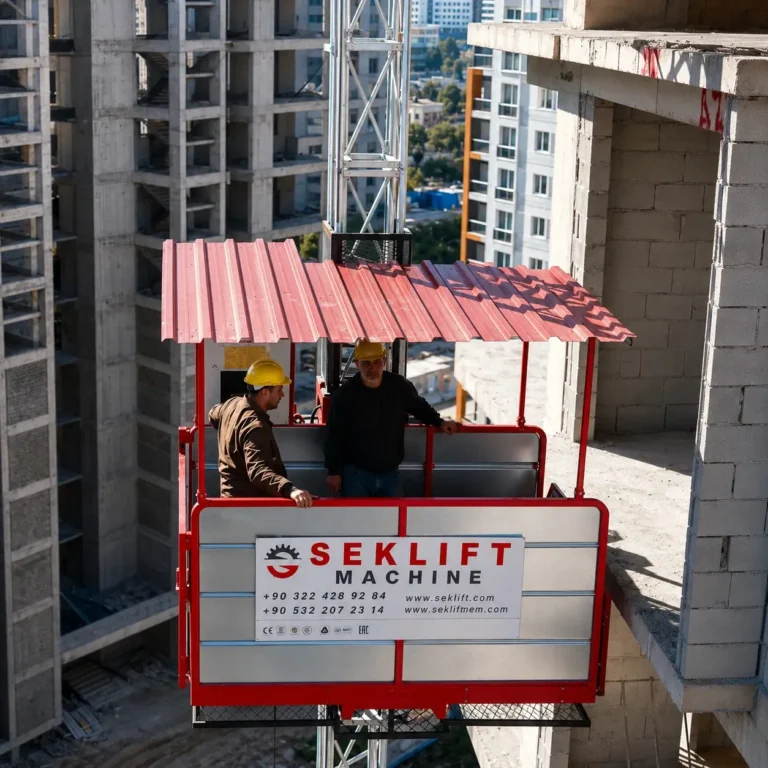
Construction Hoist Inspection in Germany: BetrSichV, ZÜS and Intervals
How German rules treat personnel and material hoists, transport platforms and goods-only hoists, who inspects them, how often, and which documents must be kept on site.
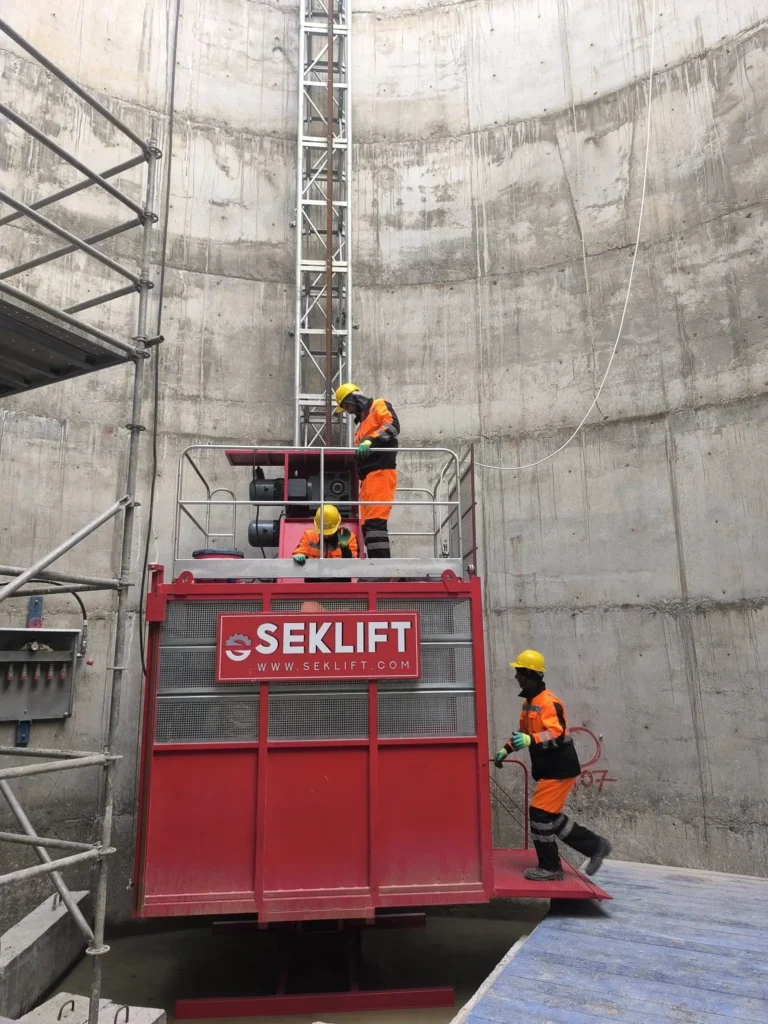
Construction Hoist Periodic Inspection in Türkiye: 2026 Guide
Which regulation applies, the maximum inspection interval, when extra inspections are required, who may inspect and what the report must contain for TS EN 12159 rack-and-pinion hoists on Turkish sites.

Construction Hoist Cost: What Determines the Price?
Why construction hoists have no single list price, the ten factors that move a quotation up or down, and what to send a manufacturer for an accurate quote.
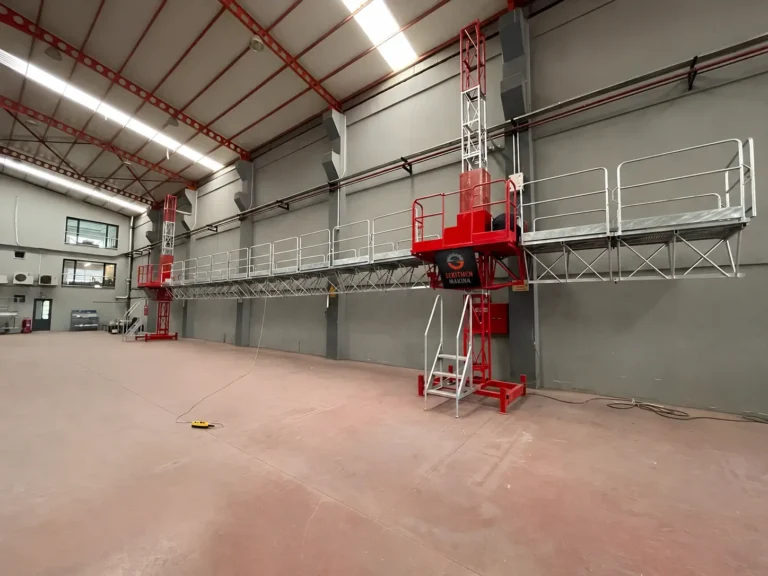
Can a Lighter Load Put More Stress on Parts of a Mast Climber Than a Heavier One?
Total weight alone does not describe how a mast-climbing work platform is loaded. This research-led review explains why load position, mast arrangement, height and anchorage configuration matter, and what a 2026 anchorage-force experiment really shows.
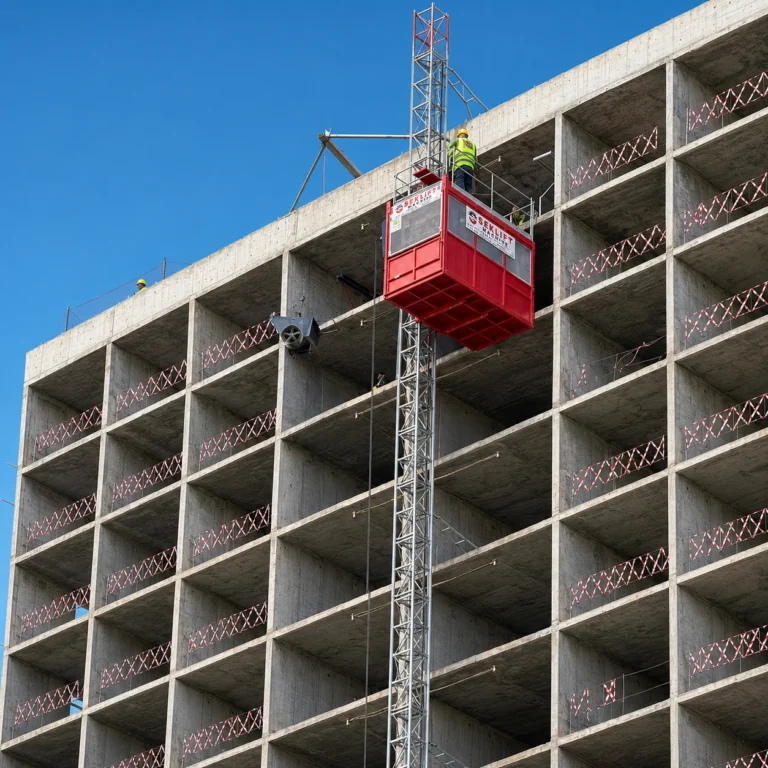
Do More Construction Hoists Actually Make a High-Rise Project Faster?
Adding construction hoists can reduce waiting and bottlenecks, but more hoists do not automatically make a project faster. This research-led review explains how hoist quantity, zoning, cage configuration and dispatch interact.
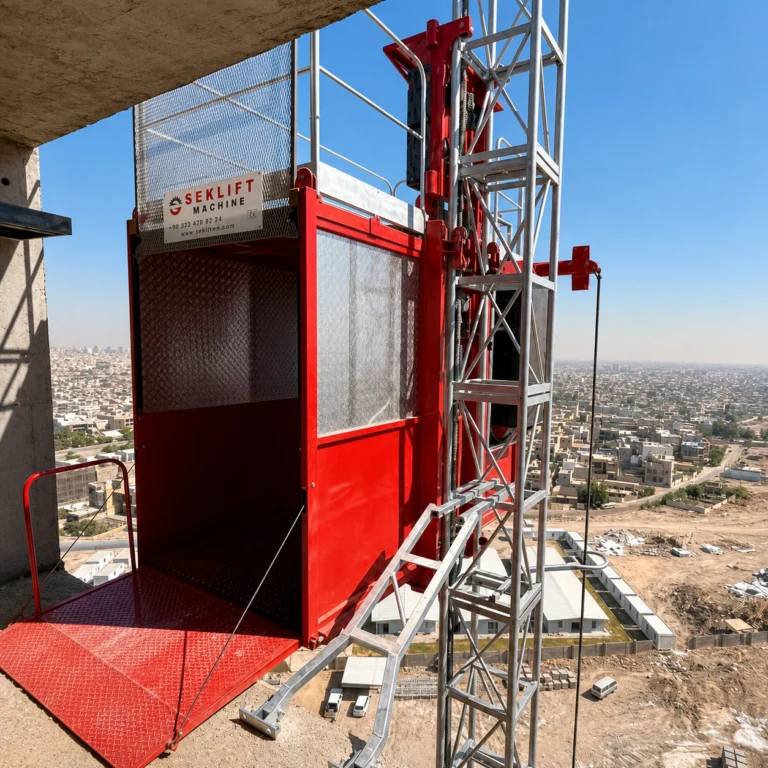
SM-GTP-101 Technical Evidence Note: Documenting a High-Capacity Rack-and-Pinion Construction Hoist
A document-led technical note covering verified SM-GTP-101 specifications, safety equipment, EN 12159 conformity evidence, and single-versus-dual-cabin selection limits.
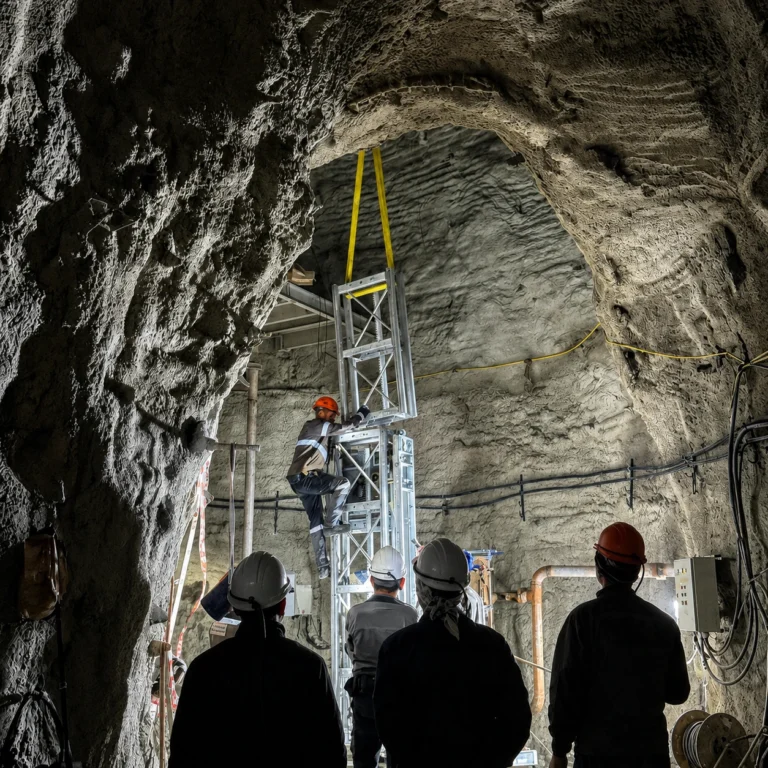
Why Mine-Hoist Wire Ropes Fail: Fatigue, Wear, Corrosion and Load Redistribution
Mine-hoist wire ropes rarely fail through one mechanism alone. This research-led engineering review examines how fatigue, wear, corrosion, fretting, torsion and broken-wire load redistribution interact—and how inspection, NDT, standards and mining regulations guide condition assessment and removal decisions.
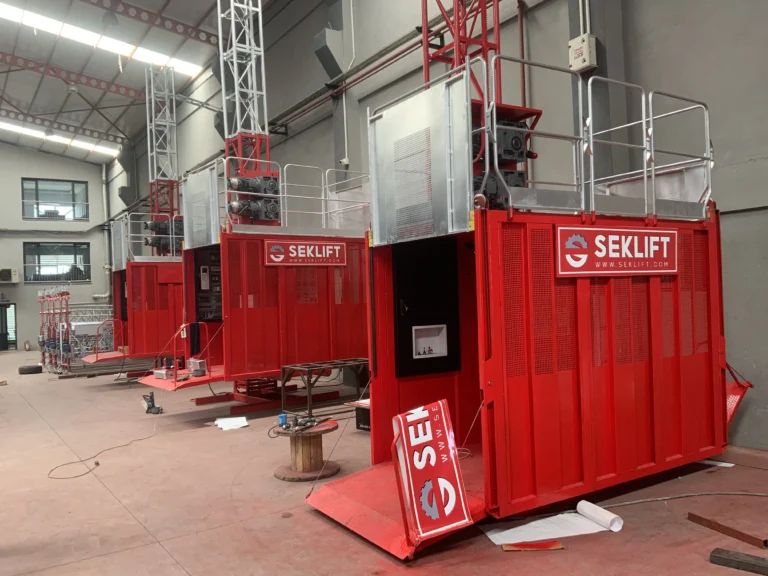
Where Do You Board and Exit a Construction Hoist?
Construction-hoist boarding looks simple, but the interface between the moving car and the building is one of the most safety-critical parts of the installation. The exact arrangement varies by equipment and site, so the hoist manufacturer’s instructions, landing design and local rules must always take priority.
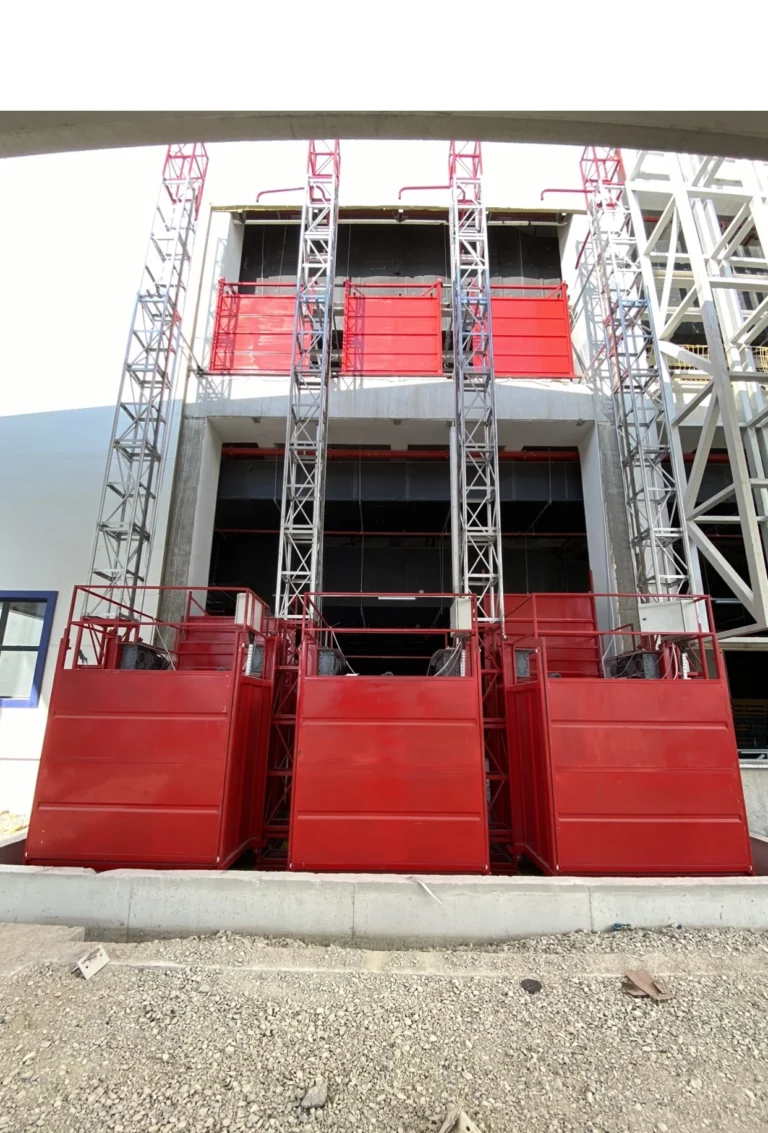
Freight Lift Guide: Types, Uses & Buyer Selection
A freight lift (freight elevator or goods lift) is a vertical-transport system designed primarily to move goods, equipment or materials between levels. Whether people may ride depends on the exact equipment classification, its rating and the rules that apply in the installation jurisdiction.
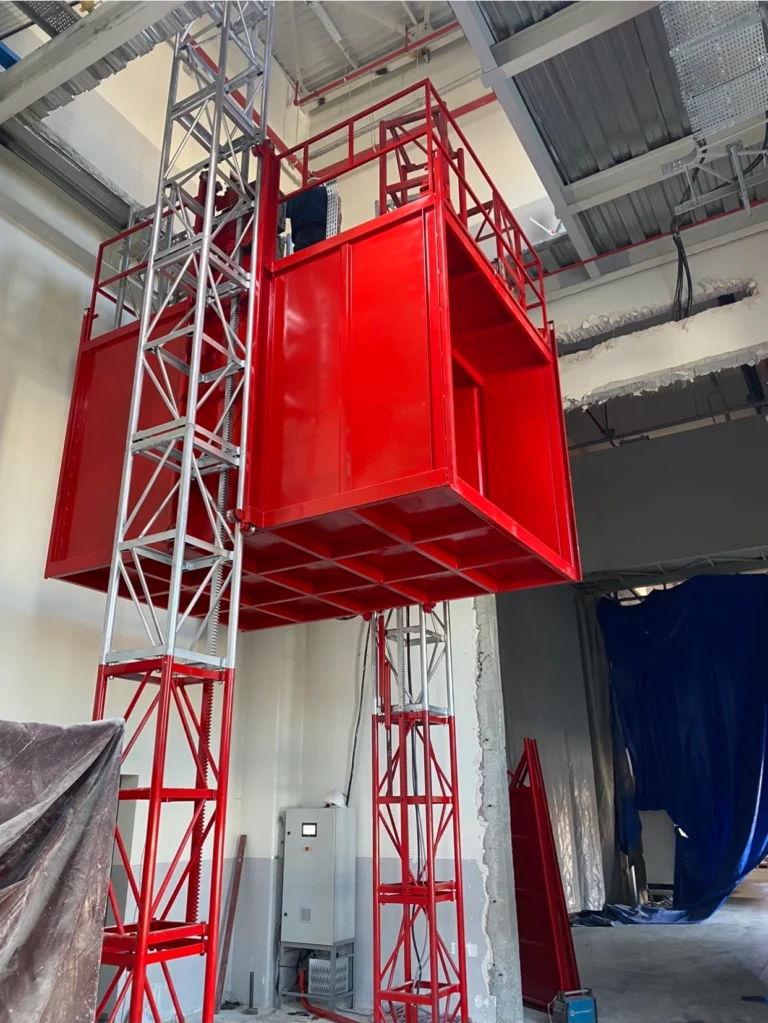
Construction Hoist Types: Buyer Selection Guide
The phrase construction hoist can describe several different lifting systems, which is why online explanations often mix together unrelated equipment. A small chain hoist, a temporary goods hoist and an external passenger/material construction elevator may all be called “hoists,” but they solve very different problems.
